
From Steam Wagons to Smart Cars
Britain’s love affair with the motor car in the UK stretches back nearly two centuries. From noisy steam-powered contraptions crawling along cobbled streets to today’s sophisticated electric vehicles: the story of the motor car in the UK is one of innovation, ambition, and constant change. For British drivers, the car is far more than a means of transport, it’s a marker of progress, freedom and identity.
Join us as we explore the milestones that shaped motoring in the United Kingdom, from its Victorian birth to the connected cars of the modern age.
Steam Power and the Dawn of the Motor Age (1800s)
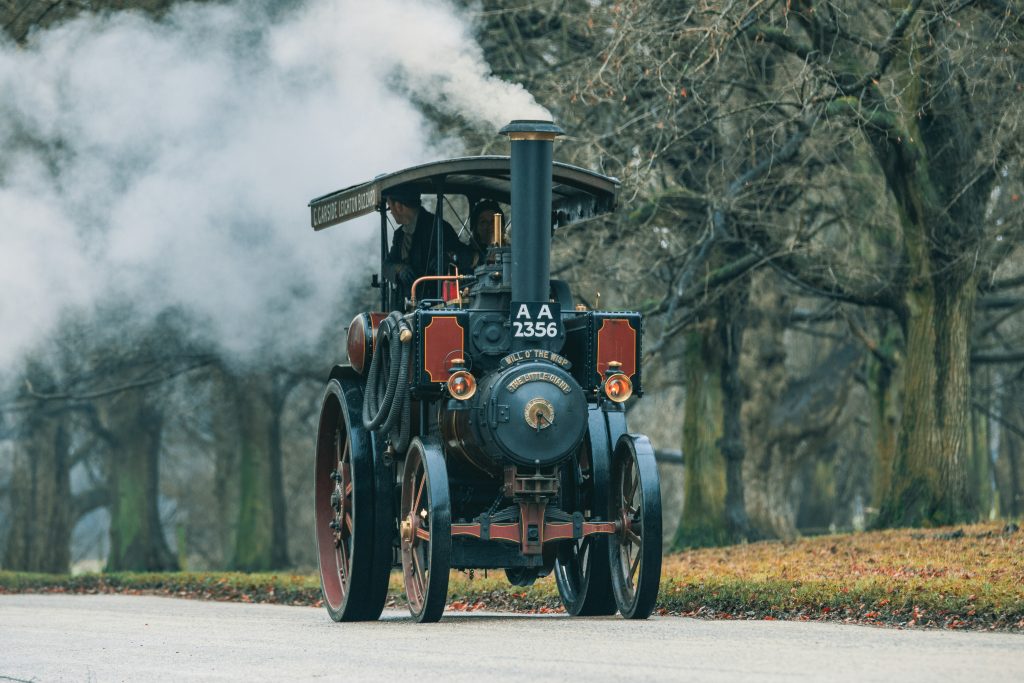
The earliest self-propelled vehicles in Britain weren’t powered by engines at all, at least, not as we know them. Instead, they used steam. As early as the 1820s, pioneers like Richard Trevithick and Goldsworthy Gurney were experimenting with steam wagons and road locomotives, long before railways or the concept of “personal transport” existed.
These early vehicles were massive and cumbersome, but they captured the imagination of engineers. However, progress soon ran into a problem… legislation. The 1865 “Locomotive Act,” also known as the “Red Flag Act,” required all self-propelled vehicles to be preceded by a man on foot waving a red flag. With speed limits set at a walking pace, innovation was stifled for decades.
It wasn’t until the end of the 19th century, when steam cars grew smaller and petrol engines emerged, that the motor age truly began to accelerate.
The Birth of the Motor Industry (1890–1914)
When Karl Benz introduced the first petrol-powered automobile in Germany in 1885, British engineers quickly took notice. By the 1890s, small workshops across the UK were tinkering with engines, fuel systems, and coachwork designs to produce their own vehicles.
The repeal of the Red Flag Act in 1896 marked a critical turning point. For the first time, motor cars could be driven legally on public roads. To celebrate, a “Emancipation Run” from London to Brighton was held, a tradition that still continues annually today as the London to Brighton Veteran Car Run.
Early British marques such as Daimler, Humber, and Wolseley began producing cars for wealthy clients. These machines were often handmade, expensive and unreliable, but they signalled Britain’s entry into the global automobile race.
The Rise of British Car Manufacturing (1914–1945)
World War I pushed engineering innovation to new levels. The need for reliable engines and robust mechanics spurred rapid development. After the war, this expertise spilled into civilian production.
By the 1920s and 1930s, the British motor industry was thriving. Manufacturers like Austin, Morris, and Rover began to make cars affordable for ordinary families. The introduction of the Morris Minor and Austin Seven marked the start of true mass motoring in the UK.
Roads improved, petrol stations appeared and motoring clubs flourished. The car transformed from a novelty for the rich into a central part of everyday life. Families could explore the countryside, travel to seaside towns and commute to work in comfort and style.
During World War II, car factories were repurposed for military production, building tanks, aircraft engines and utility vehicles like the famous “Jeep.” This experience would set the stage for another wave of innovation once peace returned.
Post-War Rebuilding and the Golden Age of Motoring (1945–1970)
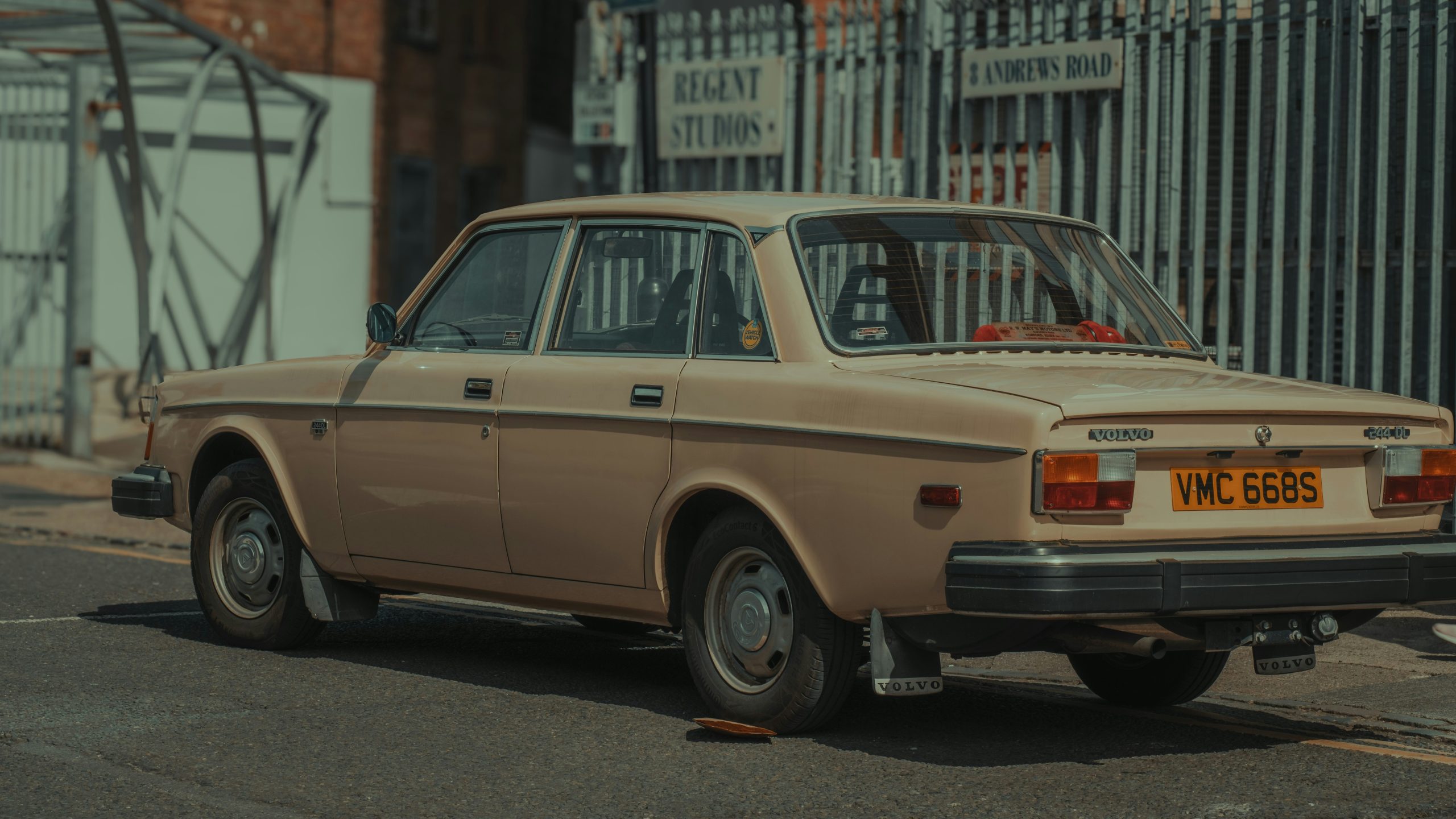
After 1945, the UK faced devastation but also opportunity. Car production boomed as the government encouraged exports to rebuild the economy. Brands like Jaguar, Rolls-Royce, and Aston Martin gained global renown for craftsmanship and performance. Jaguar’s success at Le Mans and the allure of British sports cars defined the image of British engineering excellence.
For ordinary families, cars like the Ford Anglia, Austin A30, and Hillman Minx became attainable symbols of independence. Roads were improved, and motorways such as the M1, opened in 1959, connected the nation in a way never seen before.
The 1960s are often remembered as the golden decade of British motoring. The Mini, launched in 1959, epitomised the spirit of the age: compact, efficient, stylish. It captured the world’s attention and remains iconic today.
Meanwhile, motorsport brought excitement and prestige. Formula 1 teams like Lotus and Cooper revolutionised racing technology, while British drivers became household names. Engineering innovation was in full flow, and British cars started to be exported around the world.
Energy Crises and Challenges (1970–1990)
By the 1970s, however, the scene began to change. Rising oil prices, global competition, and labour disputes shook the foundations of the British car industry. Once-proud brands began to merge under conglomerates like British Leyland, which struggled with inefficiency and declining quality.
Foreign carmakers (particularly from Japan and Germany) introduced models that offered better reliability and value for money. Brands like Toyota, Nissan, and Volkswagen established strong reputations with UK drivers.
That said, British engineering continued to evolve in niches: Land Rover led in 4×4 vehicles; Rolls-Royce remained synonymous with luxury; and sports car brands such as Lotus, Aston Martin, and TVR upheld Britain’s performance heritage.
The period also saw increased regulation aimed at improving safety and reducing emissions. Seat belts, crash testing and the introduction of the MOT test made motoring safer and more accountable… a service that continues to underpin the work of independent garages across the country.
The Modernisation of the UK Car Industry (1990–2010)
By the 1990s, things were changing again, and this time, for the better. Collaboration with overseas investors revitalised manufacturing. Japanese carmakers built plants in Sunderland, Swindon, and Derby, bringing efficient production methods that reshaped British industry.
British design, too, found fresh energy. BMW’s acquisition of Mini, Tata’s purchase of Jaguar Land Rover, and the rebirth of MG captured international attention. At the same time, technology was transforming driving. Electronic fuel injection, onboard diagnostics, and ABS became standard features.
Independent garages needed to adapt quickly. The rise of computerisation meant that diagnostics and training became more important than ever. Workshops like our very own Clover Autos in Essex began to invest heavily in modern equipment and technical skills to stay ahead, ensuring that drivers could rely on local expertise without needing to visit main dealers.
The Electric Revolution and the Connected Age (2010–Present)

The past decade has seen perhaps the most dramatic transformation in motoring since the dawn of the internal combustion engine. Environmental awareness and government emissions targets have driven major changes in both vehicle technology and driver behaviour.
Electric vehicles (EVs), once seen as futuristic, became commonplace on UK roads. Brands like Tesla, Nissan, and even traditional carmakers such as Audi and VW have electrified their line-ups. Hybrid technology bridged the gap, helping many drivers transition gradually to electric power.
At the same time, cars have become computers on wheels.
Sensors, navigation systems, and driver-assistance technologies such as adaptive cruise control and lane-keeping have redefined safety and convenience.
Connectivity has also revolutionised how cars are maintained. Modern vehicles communicate data in real time, allowing garages to diagnose faults faster and more accurately. Independent service centres equipped with the latest diagnostic technology, such as those specialising in Audi and VW models, continue to provide a trusted, cost-effective alternative to main dealerships.
Britain’s Motoring Culture Today
Today, the car remains central to British life. Whether it’s a compact city car, a rugged SUV, or a refined grand tourer, the motor vehicle continues to evolve… not just as transport, but as part of personal identity and freedom.
Classic cars retain a loyal following, with restoration and enthusiasts’ events keeping the spirit of early motoring alive. At the same time, the rise of EV charging stations, smart motorways, and online vehicle booking systems demonstrate how seamlessly the digital era has merged with Britain’s traditional motoring culture.
At Clover Autos, based in North Weald near Harlow we embody this balance between tradition and innovation. With roots in mechanical expertise and a focus on the latest diagnostic tools, we proudly represent the ongoing story of Britain’s automotive journey, where hands-on craftsmanship meets modern engineering precision.
The Future of Cars in the UK
The next chapter of UK motoring will be defined by sustainability, innovation, and smart technology. By the mid-2030s, petrol and diesel vehicles are expected to be replaced entirely by electric and hydrogen-powered options. Cutting-edge advancements like autonomous driving, vehicle-to-grid integration, and AI diagnostics will further reshape how we drive and maintain our cars.
In this exciting future, independent garages like Clover Autos will play an essential role. We combine the personal touch of a local garage with specialist knowledge and modern diagnostic equipment, ensuring your vehicle, whether a classic petrol Mini or the latest electric Audi, stays safe, reliable, and performing at its best.
When you choose Clover Autos, you get more than just a service: you get trusted expertise from a team led by VW and Audi dealer-trained technicians, passionate about delivering honest advice and quality workmanship.
We understand the unique needs of your vehicle and focus on transparent pricing with no hidden costs.
Our comprehensive range of services, from routine servicing and MOTs to expert repairs and tyre fitting, means you can rely on us all year round. Plus, being situated near Harlow in North Weald, we’re conveniently located for drivers throughout Essex.
Let Clover Autos be your go-to independent garage, where modern technology meets traditional values. Experience a high level of care, personalised service, and competitive pricing without compromising on quality. Join the many satisfied customers who return to us year after year because they know their vehicles are in expert hands.
Contact us today to book your next service or MOT and discover firsthand why Clover Autos is regarded as one of Essex’s leading independent VW and Audi specialists.